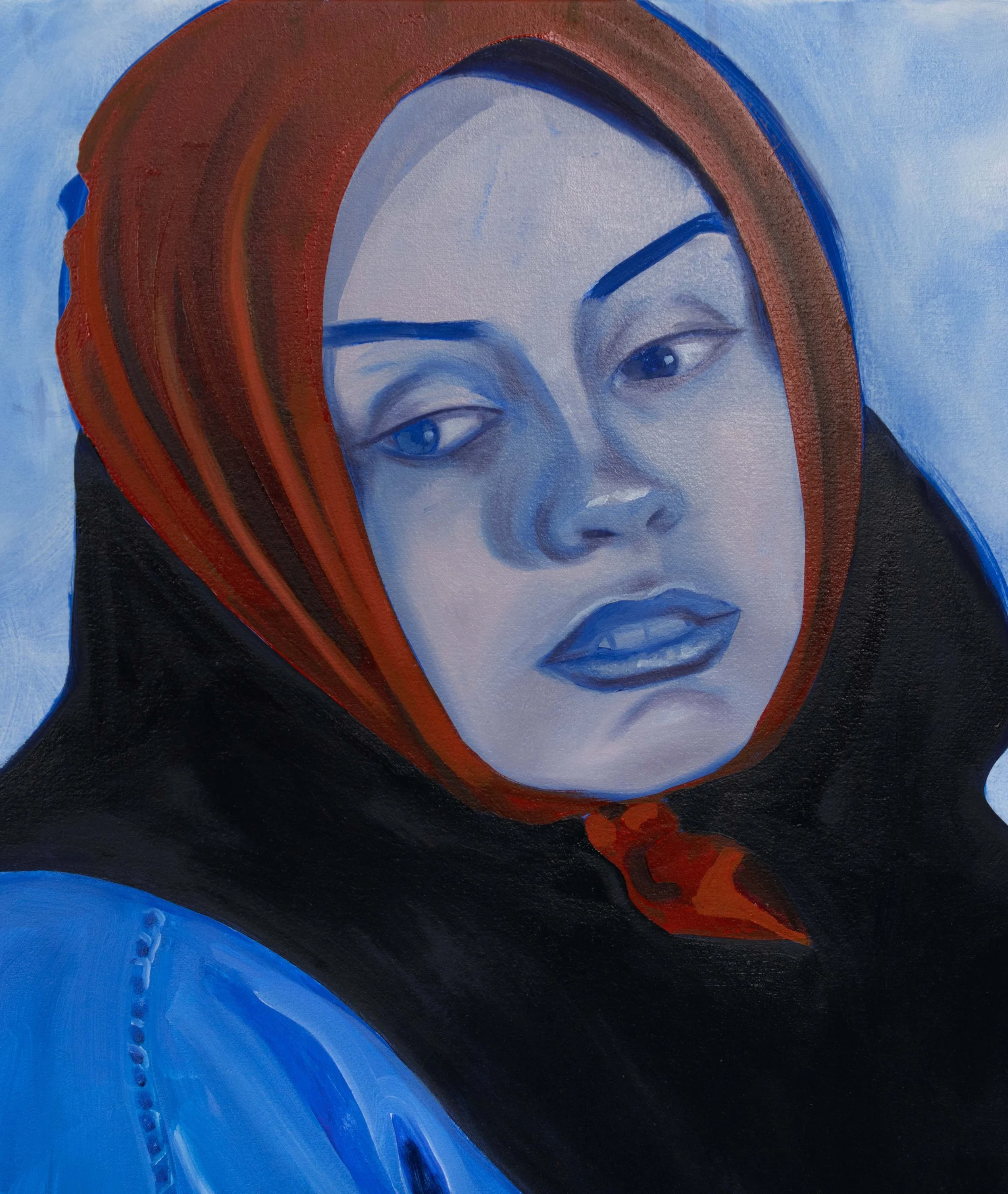
I encountered a stunning painting that imagined a scene from the Seminole War.

Retreating deep into Florida's vast wetlands, indigenous people hid themselves in the root structures of endemic Tree Islands, evading armed US soldiers gliding by in boats. Hunted, lands stolen and damaged, and population devastated by disease, they sought refuge in their shrinking environment.

Today, ghosts of these Tree Islands dot the contemporary Florida landscape: gated communities echo the sanctuary once provided by Tree Islands but instead serve as manutactured refuges. They preserve the illusion of sunny, peaceful escape from the outside world, but the byproducts of overdevelopment-traffic, noise, big box construction-lie just beyond view.

Relentless development erodes the harmony native peoples enjoyed with the natural world. Under siege, nature threatens to become more than a place of sustenance and refuge, but the new force of extinction.

After over 30 years as a commercial photographer, I put my cameras down. In 2014 I left photography behind and became a full-time caregiver for my elderly parents. I realized the importance of family and never looked back.

In 2024, while visiting a friend outside of Chicago, she suggested that we go to a local rodeo for the afternoon. The last rodeo I had attended was in 1981, in rural Idaho. Fortunately, I had an old camera with me when we went to the rodeo in Pem-broke, Illinois. It was one of the few times that l had carried a camera with me since my parents had passed away.

I have to admit, I was a bit surprised upon arrival. It was an all Black rodeo, something I had never heard of. I was one of a few White people in attendance. I had my reservations; I was not sure how I would be received. As it turned out, my worries were needless. The entire event seemed to be like a tamily party with a rodeo as en-tertainment. I was welcomed. I spent the afternoon photographing the action and shooting portraits of the men and women competing.

After loading the images on my computer, I was more than happy with what l had photographed. The only problem was the garish color. In my mind I had seen them as black and white images, more of a historical look at the event I had just photo-graphed. The first image, Shawn, when changed to black and white, made me sit back. I felt an emotion I had not felt in years - excitement, joy and a desire to pick up the camera again. I saw the potential to help others with the images and bring recognition to a group of men and women who are often overlooked. Creating a body of work to be seen as a historical document of the participants, recording their loves and passions, was important.

I cannot overlook the moves made by those in the current U.S. administration regarding Del. To erase history is abhorrent. Men and women of color have made huge contributions to this country. Denying them their place in history cannot be allowed to happen. This project is an acknowledgement to those who make this coun try a beautiful one of multiculturalism.